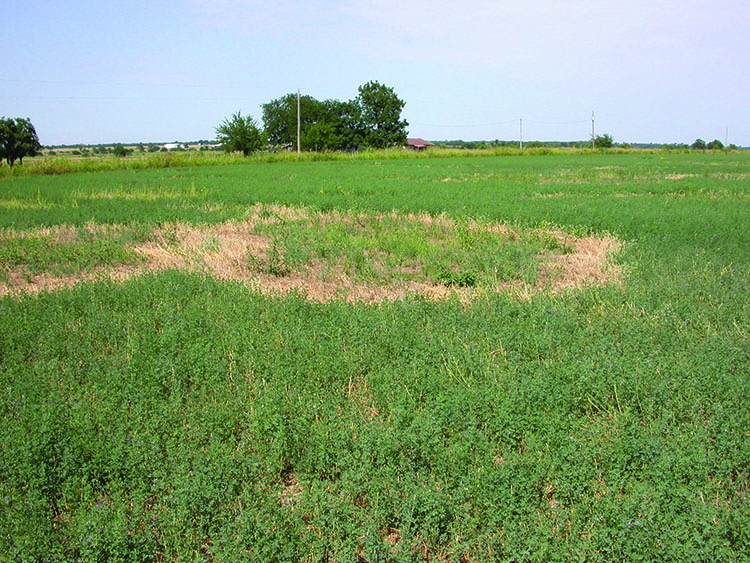
Rapid wilting and death occurs in hot weather due to the inability of the host plant to take up enough water through its rotted roots.
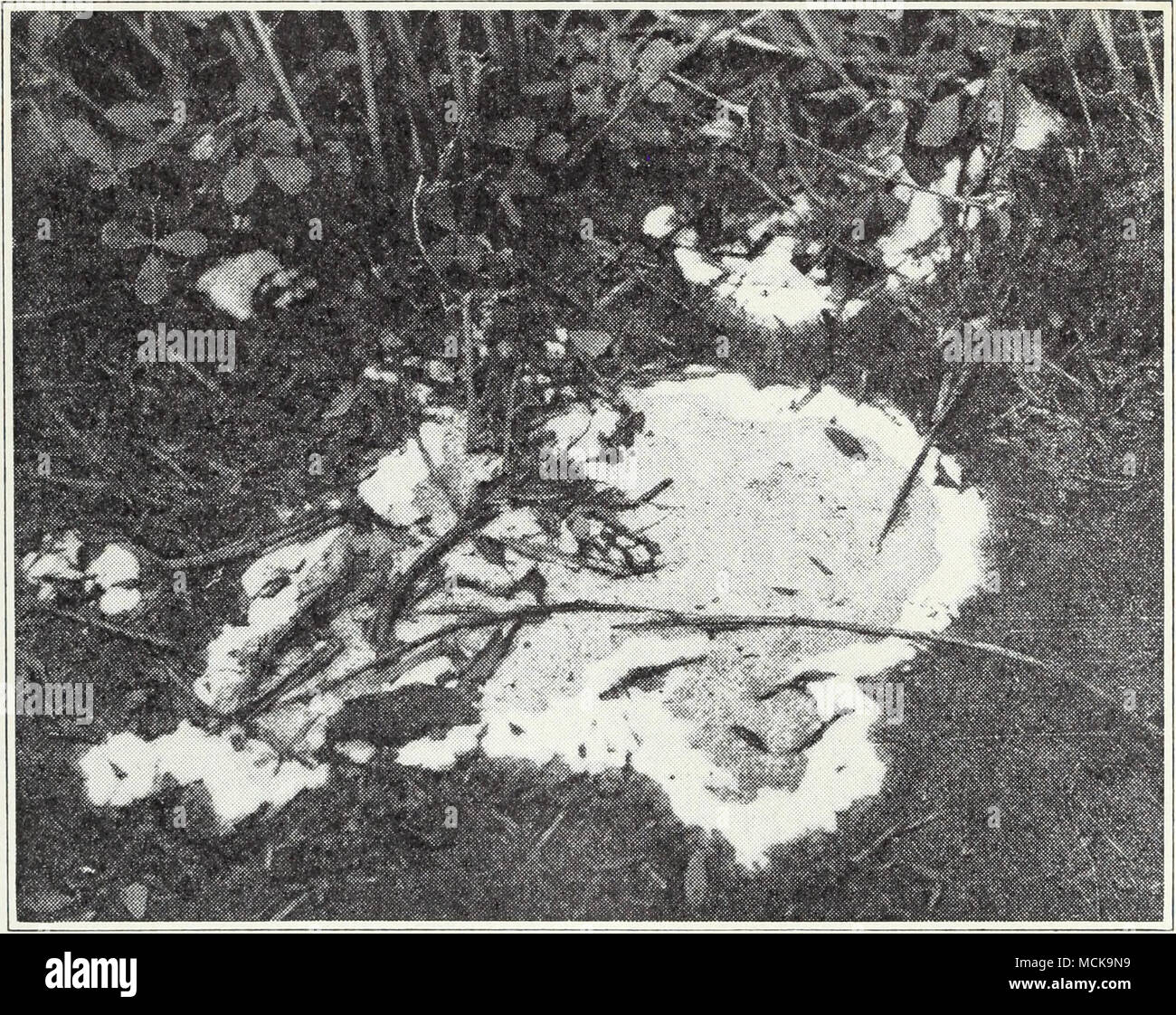
Cotton root rot spore mat.
Avoid infested locations plant non hosts or resistant species.
Grapes with cotton root rot.
27 c and air temperature exceeds 104 f.
Phymatotrichum root rot also known as cotton root rot or texas root rot is caused by the soil borne fungus.
Spore mats and conidia.
This type of root rot disease is extremely difficult to control but the following information may help.
The fungus often forms spore mats on the soil surface during warm rainy weather.
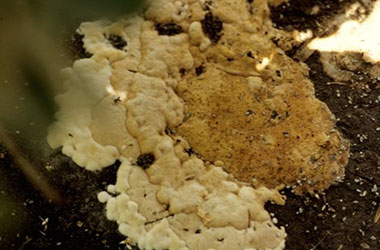
Spore mat on the moist soil surface during the summer monsoon season.
What can it be confused with.
Spore mats around infected plants.
Cotton root rot phymatotrichum omnivorum affects more then 2 000 plant species according to texas a m university.
The fungus attacks more than 2 000 species of broadleaf plants but does not affect monocots grasses.
Thus cotton root rot is usually considered a warm weather disease.
The strands colonize the root.
40 c usually in the months of august and september.
To light tan sterile spore mat on the surface of the soil near the host but these mats are not common.
Cotton root rot requires high heat conditions to flourish with a soil temperature of about 85 degrees f.
Factors affecting the disease and fungal survival this fungus can survive many years in soil as sclerotia which can occur at depths of 7 feet.
Cotton root rot also known as texas root rot and by its scientific name phymatotricum root rot is caused by the the soil borne fungus phymatotrichum omnivorum and is responsbile for serious and usually fatal root rots on more than 2 300 species of plants.
Sclerotia germinate and produce strands that grow through soil and eventually contact roots.
A unique feature of this disease is the production of spore mats that may form on the soil surface near dead.
Cotton root rot has been reported in texas counties from the red river to the rio grande and from tom green county to the neches river.
Phymatotrichum root rot also known as cotton root rot and texas root rot is caused by the fungus phymatotrichopsis ominvorum.
Grape cotton root rot is active in the summer months when soil temperatures are at least 80 f.
One disease that has over 2 300 host species 1 800 dicots is known as phymatotrichopsis omnivora also referred to as cotton root rot texas root rot and ozonia root rot.
These mats vary in size from 2 to 16 inches in diameter and are white to tan colored.
Spore mats are evidence of the fungal presence but currently spores are thought to have no function in the survival infection or spread of the po fungus.
Verticillium wilt sudden wilt and root rot due to excessive.
The fungus thrives in clay loam soil conditions where ph is between 7 0 to 8 5.