Cotton root rot typically occurs in specific geographies in the southwestern united states and is found in arizona california texas new mexico and oklahoma cotton root rot is prevalent in calcareous alkaline.
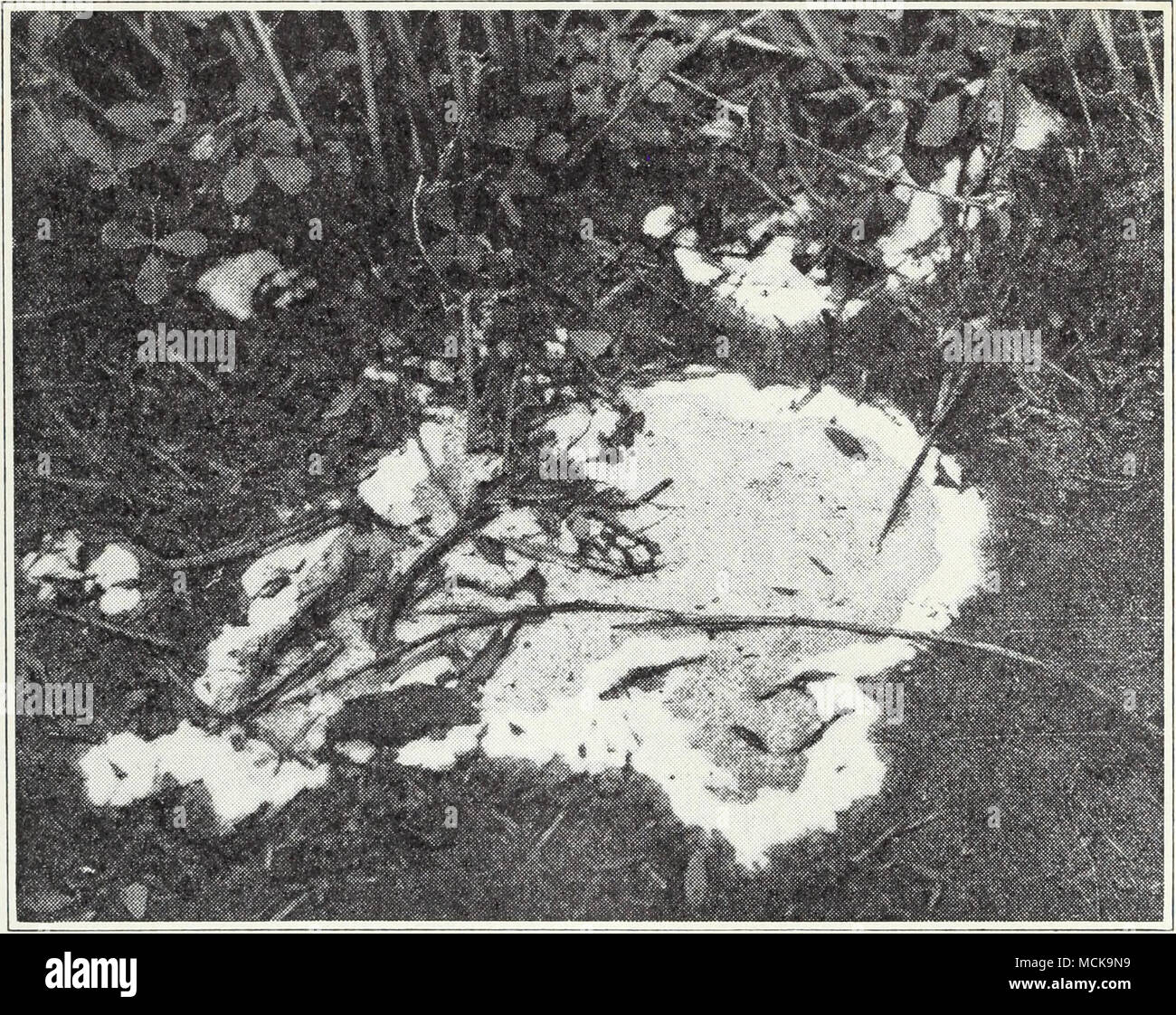
Cotton root rot fungal spore mat.
Cotton root rot caused by the fungus phymatotrichum omnivorum also is known by several other names such as phymatotrichum root rot texas root rot and ozonium root rot.
These mats vary in size from 2 to 16 inches in diameter and are white to tan colored.
The fungus often forms spore mats on the soil surface during warm rainy weather.
Alkaline soils soils low in organic matter.
Factors affecting the disease and fungal survival this fungus can survive many years in soil as sclerotia which can occur at depths of 7 feet.
The fungus attacks more than 2 000 species of broadleaf plants but does not affect monocots grasses.
Cotton root rot has been reported in texas counties from the red river to the rio grande and from tom green county to the neches river.
If you see this fungus on the soil or your tree there s a problem.
Cotton root rot is a soilborne disease caused by the fungi phymatotrichum omnivorum cotton texas root rot.
Phymatotrichum root rot also known as cotton root rot or texas root rot is caused by the soil borne fungus.
Phymatotrichum root rot also known as cotton root rot and texas root rot is caused by the fungus phymatotrichopsis ominvorum.
Spore mats and conidia.
A unique feature of this disease is the production of spore mats that may form on the soil surface near dead.
Avoid infested locations plant non hosts or resistant species.
Fungal threads on roots spore mats around infected plants.
Fresh spore mat of cotton root rot fungus.
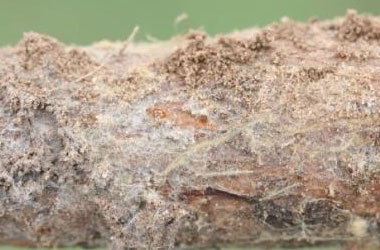
In this photo we wanted to show you what the sporemats of cotton root rot looks like when they emerge on the soil or tree surface.
Factors affecting the disease and fungal survival this fungus can survive many years in soil as sclerotia which can occur at depths of 7 feet.
The strands colonize the root.
Cotton root rot fungal mats.
It is one of the most destructive plant diseases and attacks more than 2 000 species.
You can see the cottony like mats and the decay that is occuring at the base of the trunk.
Fresh spore mat of cotton root rot fungus.
Sclerotia germinate and produce strands that grow through soil and eventually contact roots.